6 min.By Hagen RothmannCo-Founder & Commercial Lead
Why AI SDRs Are Making Traditional Prospecting Obsolete
AI Sales Development Representatives evolve prospecting through signal orchestration and dynamic lead prioritization.

The Rise of the AI SDR: From Manual Prospecting to Signal Orchestration
If your sales development process still revolves around static lead lists and rule-based scoring, you’re navigating with a map of last year’s terrain. The landscape has shifted. Today’s most successful go-to-market teams are moving beyond mere activity metrics to embrace outcome-driven strategies powered by autonomous AI agents. Known as AI Sales Development Representatives (AI SDRs), these systems are not just another tool; they represent a fundamental evolution in how businesses identify, prioritize, and engage potential customers. By 2026, projections show that 80% of enterprise applications will embed such autonomous agents, coordinating workflows across the entire sales funnel.
Why Traditional Lead Scoring is Obsolete in a Dynamic Market
For years, sales teams have relied on lead scoring models built on historical data and fixed rules—such as job title, company size, or form submissions. This approach is fundamentally reactive. It fails to account for the real-time signals that indicate a company is actively in-market and ready to buy. As industry analysts at Highspot note, static scoring struggles amid fragmented data and constant buyer behavior shifts, leading to plummeting email response rates and ineffective cold calls.
The modern buyer’s journey is non-linear and informed by thousands of digital signals. A static score cannot capture the urgency of a target company securing a new round of funding, posting a job for a relevant role, announcing a technology expansion, or showing intent data spikes. Relying on these lagging indicators forces SDRs into a cycle of mass, low-relevance outreach. AI SDRs dismantle this outdated model by introducing a dynamic, predictive approach.
Signal Orchestration: The Engine of Modern Outbound
The core innovation driving AI SDRs is signal orchestration. This is the sophisticated process where AI agents continuously ingest and analyze a vast array of real-time data points—or “signals”—to trigger perfectly timed, context-aware actions. It’s like moving from a monologue to a dialogue with the market.
These signals can include:
- Intent Data: Surges in topic-related research or content consumption.
- Operational Triggers: Hiring activity for specific positions, technology stack changes, or office expansions.
- Financial Events: Funding rounds, acquisitions, or positive earnings reports.
- Behavioral Data: Engagement with your website, past email interactions, and social media activity.
By orchestrating these signals, the AI doesn't just score a lead; it identifies the precise moment and context for engagement. Highspot predicts that C-level executives will soon expect their GTM systems to deliver "next-best actions" through this orchestration, moving beyond dashboards to prescriptive guidance. This enables just-in-time outreach that feels less like a cold call and more like a relevant, valuable conversation.
AI Lead Prioritization: Focusing Effort Where It Counts
With signal orchestration as the foundation, AI lead prioritization becomes dynamic and intelligent. Instead of a static "A, B, C" tier list, leads are constantly re-ranked based on the freshest data. An account that was quiet last week might shoot to the top of the queue today because its signals indicate active project initiation.
This capability transforms productivity. AI SDRs can autonomously handle up to 72% of administrative prospecting tasks, from data enrichment to initial outreach coordination. This frees human SDRs to focus on what they do best: having strategic conversations, building empathy, and navigating complex negotiations. The result is a powerful hybrid model where machines handle the "science" of data, and humans master the "art" of relationship-building. This synergy is critical, as experts note that while AI excels at scale and precision, it cannot replicate the nuanced trust-building essential for closing deals.
Implementing a Modern Outbound Machine
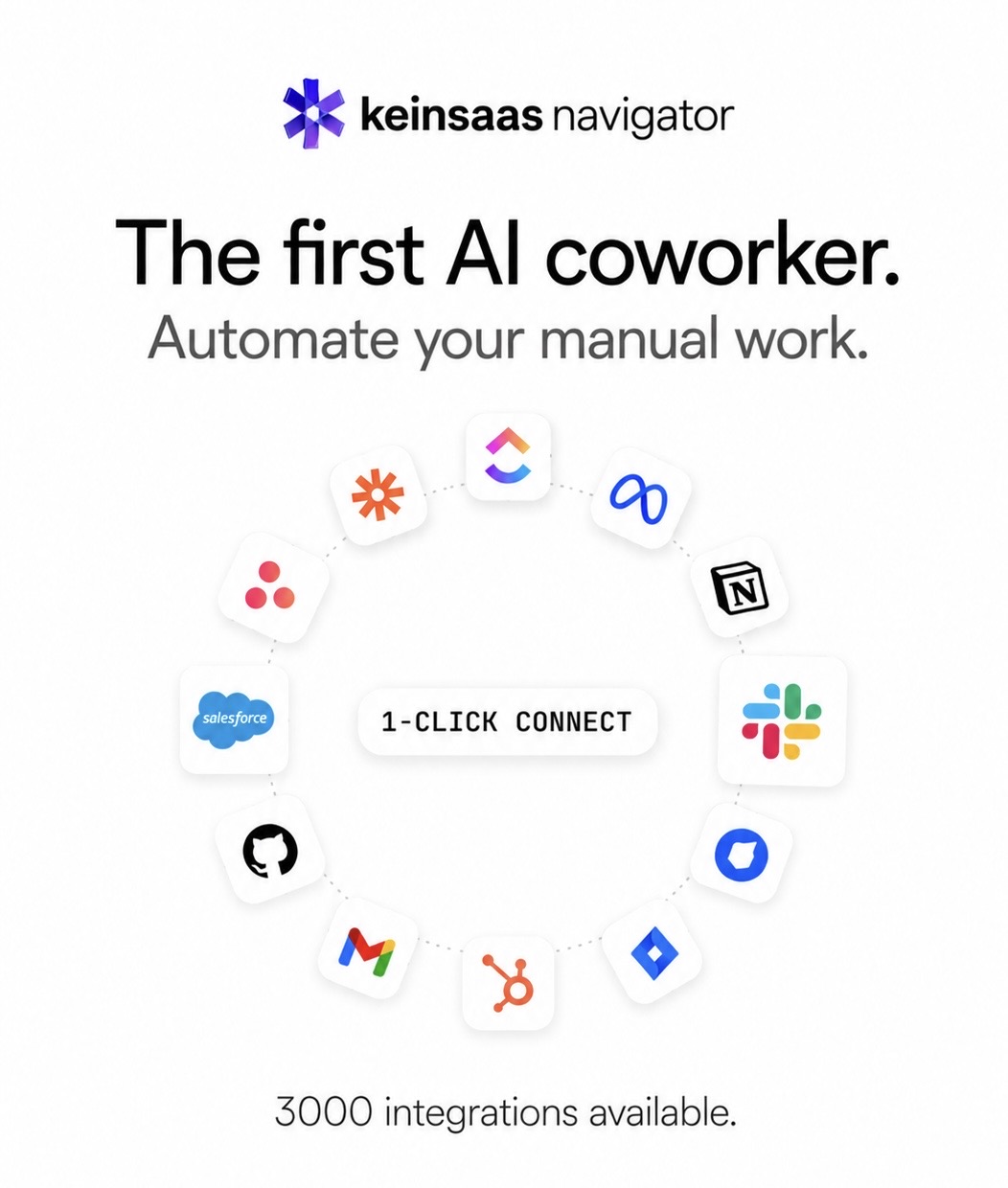
What does this look like in practice? A mature AI SDR strategy integrates seamlessly with your existing CRM, communication platforms, and data sources to act as a "digital coworker." Here are key practical applications:
- Autonomous Prospecting & Enrichment: AI agents scan data sources to build and constantly update prospect profiles, ensuring your team always has the most current information.
- Hyper-Personalized, Multi-Channel Outreach: Leveraging context from signal orchestration, AI can generate and execute tailored sequences across email, LinkedIn, and even phone calls. Studies show 54% of sales teams now use AI for personalized email generation.
- Workflow Coordination: Multi-agent systems can hand off tasks autonomously—from initial outreach to meeting booking and CRM entry—creating a seamless end-to-end process.
- Training and Simulation: AI can also be used to create realistic training environments for human reps to practice handling edge cases and objections.
Real-world success stories underscore the impact. For instance, Regie.ai achieved 300% YoY ARR growth by using AI agents to manage the entire prospecting lifecycle through integrated signal analysis. Similarly, firms like Saks Retail use AI agents to tailor cross-channel customer experiences based on real-time behavioral signals, boosting satisfaction significantly.
The Human-AI Partnership: The Future of Sales Development
The debate is not about machines replacing humans. The consensus is clear: sustainable success requires a hybrid model. While 92% of companies plan AI investments in sales, the goal is augmentation, not replacement. AI handles the volume, data crunching, and initial engagement, allowing human SDRs to evolve into more strategic roles focused on high-value conversations and complex deal navigation.
The transition does require thoughtful governance, particularly around data security, ethical AI use, and integration. However, the barrier to entry is lowering, with low-code platforms enabling faster deployment cycles. The payoff is substantial: organizations report productivity gains of 30% or more and a dramatic improvement in forecasting accuracy.
Conclusion: Is Your Sales Engine Built for 2026?
The shift from manual, activity-based prospecting to AI-driven signal orchestration is not a future trend—it's a present-day imperative for competitive advantage. Signal-based selling through autonomous AI agents represents the most significant leap in sales productivity since the invention of the CRM. It closes the gap between buyer intent and seller awareness, creating a proactive, efficient, and deeply personalized outbound engine.
The question for sales leaders is no longer *if* to adopt this approach, but *how* to implement it strategically to empower their teams and accelerate growth.
Ready to explore how intelligent automation can transform your sales development? Discover how a strategic approach to AI can simplify your workflows and unlock new levels of efficiency. Learn more about building a modern, signal-driven sales engine.

About the author
Hagen Rothmann
Co-Founder & Commercial LeadWith his first company, Coconaut.uk, he started automating processes in production and logistics early on. Today, he is driven by the question of how companies can handle recurring work more efficiently, autonomously, and at scale.
Connect on LinkedInWhat's next
Ready to build something that fits your team?
Book a free discovery call and we'll map out where custom AI would meaningfully change your week.
Book a discovery call